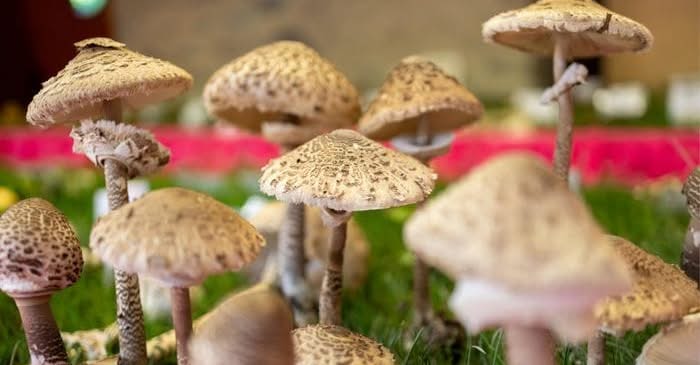
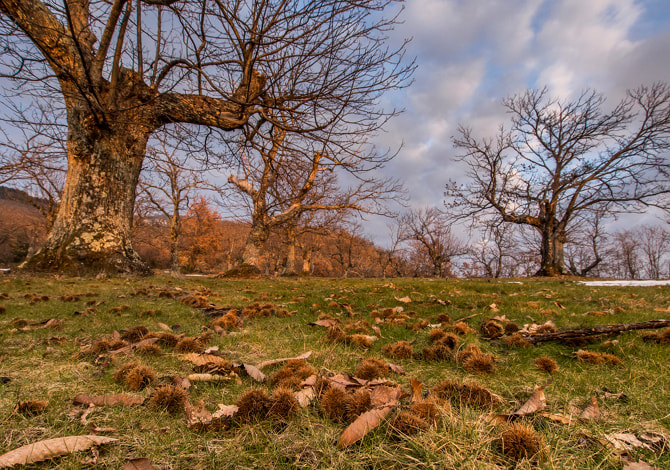
In late May, in the upper Brembana Valley, the meadows are at their richest. The nettles are still tender. The wig – that wild spinach, which has been a part of local recipes for centuries – has just appeared in the pastures. Farmers have started bringing their flocks back up to the higher elevations, and with the summer grazing, the production of the most prized alpine cheeses also resumes. It's the time of year when the mountain offers everything at once, and it doesn't last long.
It is around this seasonal coincidence – wild herbs and alpine cheeses at the same time – that the festival was born, sixteen years ago. The Cheesemaker's Herbs. The 16th edition is being held in the eleven municipalities of Altobrembo on the weekends of May 23-24 and of the May 29-30-31, June 1-2, 2026.
Wild herbs: an ancient knowledge worth recovering
For centuries, wild mountain herbs have been an essential part of the diet and popular medicine of Orobic communities. They were not niche ingredients: they were what grew, what people knew how to gather, what they used. Then this knowledge dwindled, transmitted less and less from generation to generation.
The guided walks of Erbe del Casaro – led every year by plant pathologists and botanical experts – serve precisely this purpose: to teach how to recognize edible species from the mountain woods and meadows, distinguish them from poisonous species, understand how to harvest them responsibly, and how to use them in cooking or herbalism. It's not a theoretical lesson: you walk through the pastures, you gather, you learn in the field.
The stars are the cheeses
The Upper Brembana Valley is one of the richest cheese-producing areas in Italy. The cheeses featured in the 16th edition tell this story of richness: four protected designation of origin cheeses and three Slow Food Presidia. Formai de Mut of Alta Valle Brembana DOP, Bitto DOP, the Strachítunt DOP and Taleggio DOP. Then the three Presidia: Agrì di Valtorta, Stracchino all’Antica delle Valli Orobiche, and Bitto Storico delle Valli. Seven cheeses with very different stories and characters – all produced in these territories, all with a direct relationship to the summer pastures and the meadows that, at this time, are filled with the same wild herbs that are the stars of the festival.
The meadows' grasses—what the grazing livestock eat—directly influence the aroma profile of the milk and, therefore, the cheese. Tasting a Formai de Mut produced with late May alpine pasture milk and learning to recognize the grasses that characterize those pastures: this is precisely the dual experience that Erbe del Casaro has been offering for sixteen years.